
Logo
Get Estimate

Garden Bed Cleanup in Virginia for Clear, Healthy Beds

We remove weeds, leaves, and old growth carefully.


Garden Bed Cleanup in Virginia clears weeds, fallen leaves, dead annual plants, and loose debris from residential planting beds. We help homeowners whose beds are clogged, overgrown, or buried under autumn leaf fall, restoring defined edges and room for healthy plants. Our crew works around established roots, edging, irrigation components, and decorative stone so your landscape looks cared for without turning a cleanup into a replanting project.

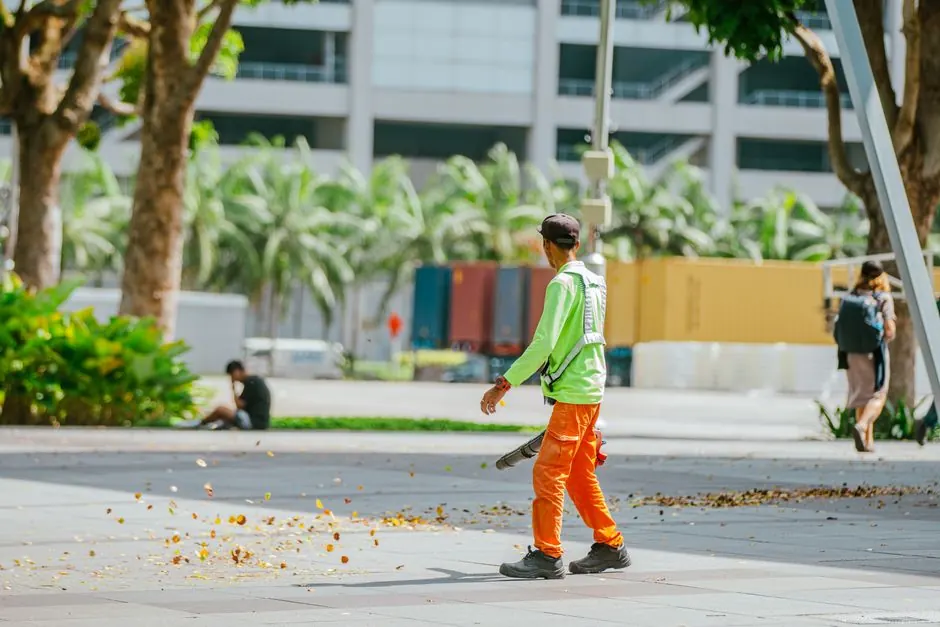
Street cleaner using a leaf blower in an urban park setting on a sunny day.
Licensed Licensed & Bonded
Fully Insured Insured & Bonded
24/7 Emergency Same-Day Response
Warranty Backed Workmanship Guaranteed

What Our Garden Bed Cleanup Covers

We clear the planting areas you identify by removing accessible weeds, fallen leaves, dead annual plants, small branches, and loose debris. We protect established plants and keep the work focused on cleanup. Fresh mulch, new planting, extensive shrub pruning, pesticide application, and hazardous tree work are separate tasks. Regulated pesticide applications require Virginia pesticide applicator certification.

Weed Removal

We pull accessible weeds from beds and remove visible growth around established flowers and shrubs. Hand work is used where a tool could disturb roots or stems. Clearing weeds before they mature helps you inspect the bed and makes follow-up maintenance more manageable.
Leaf and Plant Debris

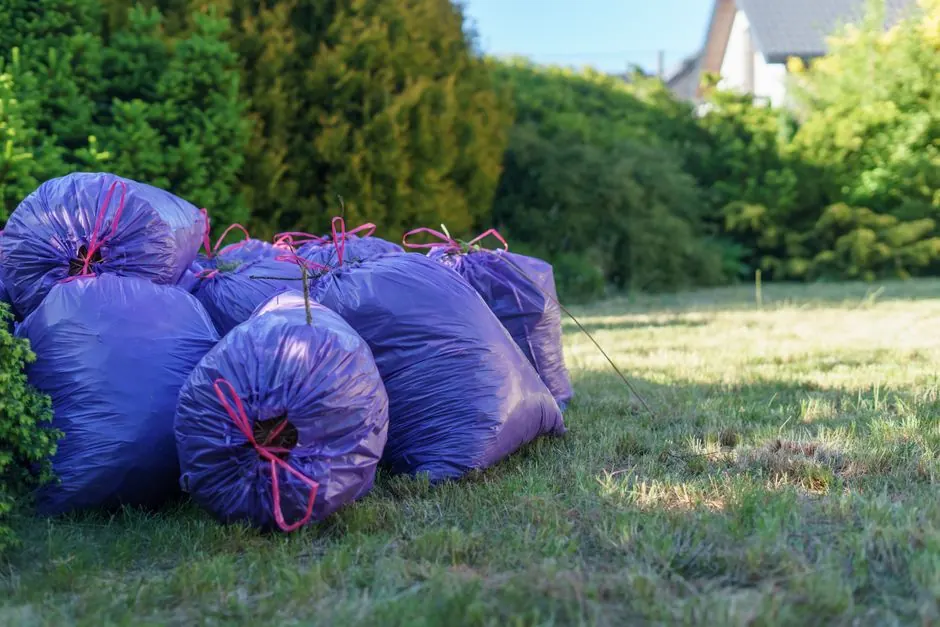
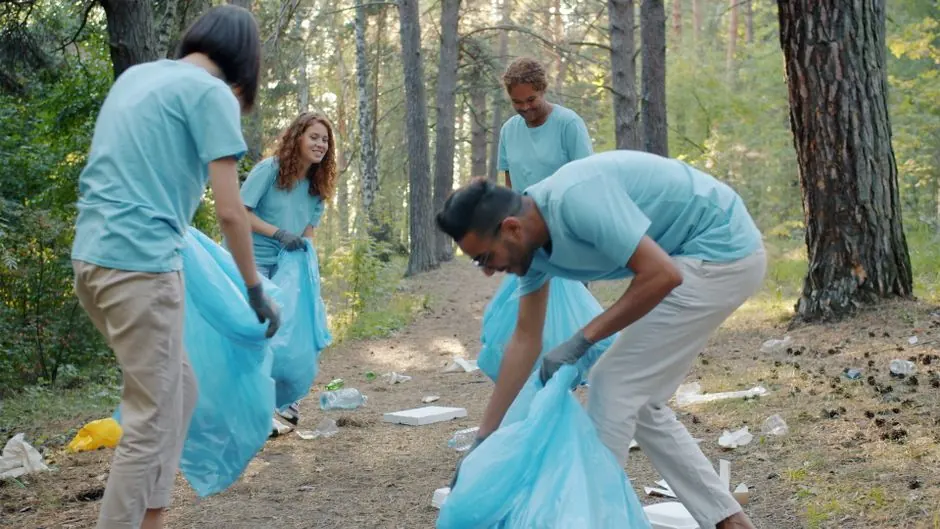
We collect fallen leaves, pine needles, dead annual plants, and loose garden bed debris from the planting surface. We do not cover matted material with mulch. The crew clears the bed so remaining plants and ground surface are visible when the job is done.

Branches and Loose Waste

We gather small fallen branches, grass clippings, and other loose material that has blown or spilled into the beds. Larger brush buildup can require Brush Clearing, while hazardous limbs may need qualified tree work. We keep walkways and bed edges clear as material is moved.

Bed Edge Clearing

We remove weeds and loose debris along visible borders where lawn meets the planting bed. This improves the definition of the edge and helps prevent grass from blending into mulch. We work around edging and do not remove decorative stone or alter the bed layout.

Garden Bed Cleanup in Virginia: What We Do


Garden Bed Cleanup in Virginia is a seasonal landscape cleanup service that removes weeds, fallen leaves, dead plant material, and loose debris from planting beds when growth or weather leaves them untidy. We hand-pull weeds where roots are close to desirable plants, rake out compacted leaves, collect branches, and clear material from bed edges. We finish by checking for exposed roots and disturbed mulch. The goal is a clean, readable bed, not a stripped one; healthy groundcover and established perennials stay in place.

Virginia's long growing season, humid summers, and leafy autumns create different bed problems from one region to another. Heavy leaf accumulation can mat over mulch, while warm, wet spells encourage overgrown weeds and vegetation in neglected planting beds. Our Virginia garden bed cleanup approach adapts to shade, slope, access, and the plants already growing there. If you need Virginia garden bed weeding and debris removal, we clear the beds by hand where precision matters and gather the waste for proper handling.

How the Cleanup Works

Garden Bed Cleanup follows a clear sequence: inspect the planting areas, protect what should remain, remove unwanted growth, collect debris, and check the finish. A straightforward home with several accessible beds often takes a few hours; dense growth, steep slopes, or extensive hand work add time.

01

Schedule

Call or book online — a real human picks up and confirms a 2-hour arrival window.

02

Diagnose

Licensed tech inspects on-site, then walks you through the cause and your options.

03

Fix

The job is completed to code and done right the first time — no shortcuts, no surprises.

04

Guarantee

Every job backed by a written workmanship warranty — and we stand behind it.

Tools and Cleanup Methods

Tools & Equipment

Leaf rake

We use a leaf rake to lift leaves from open planting areas without dragging heavy debris across the bed. Light, controlled strokes help protect shallow roots and low-growing plants.

Bow rake

A bow rake handles sturdier, open bed surfaces and loose debris near firm edges. We keep it away from delicate stems and use hand tools where planting density calls for finer control.

Hand pruners

Hand pruners make controlled cuts on suitable dead annual stems and small growth. We use them selectively so cleanup does not become indiscriminate trimming of shrubs or dormant perennials.

Tarp and wheelbarrow

We use a tarp or wheelbarrow to move collected leaves, weeds, and small branches without scattering them back across the lawn. The choice depends on access, slope, and distance to the collection point.

Husqvarna and STIHL equipment

Husqvarna and STIHL equipment may be used for appropriate surrounding yard tasks, such as controlled edge work where conditions permit. We keep powered equipment out of delicate beds when hand cleanup is the safer choice.

Methods & Standards

Plant-first hand clearing

We identify desirable plants before removing weeds and old growth, then work from the plant outward. This reduces accidental damage in dense beds and helps us distinguish dormant perennials from dead annuals. You can mark plants you want preserved during the initial walkthrough.

Layer-by-layer debris removal

We clear loose leaves and branches before working on weeds or dead stems beneath them. Removing the top layer exposes the actual bed surface and prevents hidden debris from being pushed into mulch. We finish by checking edges and nearby paths for material that shifted during the work.

Contained collection and handling

We gather debris as the work progresses, using compostable yard waste bags, a tarp, or a wheelbarrow where suitable. Local yard waste disposal and composting requirements govern how organic material is handled. Keeping loads contained prevents wind from scattering cleared material back across the property.

When to Schedule Garden Bed Cleanup

01

Autumn leaves have covered mulch beds and are gathering against shrubs before winter weather.

What we do: We lift fallen leaves from the planting surface, remove dead annuals, and clear edges along lawn and walkways. We gather debris instead of pushing it into another corner. If leaves cover a large part of the property, we can coordinate bed work with Leaf Removal.

→ You can see the mulch and plant structure again, with fewer loose leaves caught against shrubs or blown back across the path.

02

Spring growth is returning, but old stems and weeds make it hard to tell what survived.

What we do: We remove winter debris and dead annual material carefully, checking for emerging perennials before cutting. We pull visible weeds and open up the bed edges so new growth is easier to monitor. The crew avoids treating dormant plants as dead simply because they have not leafed out yet.

→ Your planting beds are easier to inspect, and you can see returning plants before deciding what needs replanting or additional care.

03

A property sale, family gathering, or tenancy change calls for a quick landscape reset.

What we do: We prioritize visible beds near entrances, front paths, and outdoor living areas, then remove weeds and loose debris from the agreed planting sections. If the rest of the yard also needs attention, we coordinate bed clearing with One-Time Yard Cleanup for a broader reset.

→ The home's planting areas look orderly and defined, making routine care or property presentation simpler without redesigning the landscape.

04

Wind or a storm has pushed leaves and small branches into beds and across walkways.

What we do: We gather safe, accessible debris from beds and paths, checking for broken stems and obstructed access. Small branches are collected with the other yard waste. We identify suspended or hazardous limbs as tree work rather than attempting a routine cleanup cut.

→ Walkways are cleared and plants are no longer buried under loose storm debris, with any separate limb hazard clearly identified.

How Virginia Conditions Shape Cleanup

Garden beds across Virginia face varied weather and growing conditions. Northern and central communities often see substantial autumn leaf fall, while humid summers across much of the state can keep weeds growing quickly after rain. Cooler mountain and western areas may have a shorter window for clearing before freezing conditions, while coastal and lower-elevation properties often deal with longer growing seasons. We adjust the work to the plants, slope, shade, and debris on each property rather than assuming every bed needs the same cutback. In older neighborhoods, narrow beds, mature shrubs, and established edging call for careful hand work. Newer subdivisions may have broad mulch beds, landscape fabric, or decorative stone that needs a lighter touch. Our flower bed clean-up service in Virginia removes leaves and old growth without disturbing features that remain in place. For seasonal planting bed cleanup for a Virginia home, we also consider where runoff collects and whether wet soil is too soft for wheeled equipment. Local yard waste disposal and composting requirements vary by locality, so our debris handling follows applicable rules. If a task crosses into regulated pesticide use or hazardous tree work, the relevant certification and safety requirements apply.

Neighborhoods We Serve

  • Alexandria

    Mature residential landscapes can have dense shade and established shrubs. We remove leaf buildup by hand around roots and keep narrow paths clear while working.

  • Dale City

    Front and side beds often meet lawn edges and fences. We clear weeds and loose debris along the border so mowing and routine bed care are easier.

  • Front Royal

    Sloped lots and changing fall conditions can affect access and debris movement. We use contained collection and adjust the work to the grade and ground moisture.

  • Brambleton

    Defined residential planting beds benefit from precise edge clearing. We work around established shrubs and decorative surfaces without raking stone or mulch out of place.

Local Conditions We Plan For

  • Heavy autumn leaf fall can mat over mulch and low plants.

    A thick layer hides weeds and the bed surface, so we lift leaves before clearing stems beneath them. Wet, compacted leaves require slower hand work to avoid pulling mulch or groundcover along with the debris.

  • Humid summer weather encourages quick weed growth after rainfall.

    Weeds can grow from small shoots to seed-bearing plants within a short stretch of warm weather. Clearing accessible growth before seeding reduces the amount of material left in the bed and makes follow-up checks easier.

  • Sloped or waterlogged beds restrict equipment access.

    Soft soil can rut under wheels, and slopes make loose debris harder to contain. We use hand tools and smaller loads where needed, keeping cleanup controlled instead of driving equipment across vulnerable planting areas.

Leaf-Covered Front Beds

Before

A homeowner had three front planting beds buried under several inches of fallen leaves. Weeds were hidden beneath the leaf mat, the mulch surface could not be inspected, and loose material had blown onto the walkway. The plants were established, so aggressive raking risked pulling stems and groundcover out with the leaves.

After

We lifted the leaf layer by hand, removed accessible weeds, and gathered the debris in contained loads. The three beds had visible mulch surfaces and clear walkway edges when finished. Established plants stayed in place, and the homeowner could see which sections needed a later mulch refresh rather than covering everything blindly.

Maintenance: Check beds after major leaf-fall periods and clear mats before they compact. A short follow-up visit can remove new leaves and small weeds before they build into another full-bed cleanup.

Before

A narrow fence-line bed had accumulated grass clippings, weeds, and small branches over a full growing season. Brush obscured the boundary, and mowing left clippings against the fence. The dense growth made it difficult to distinguish the original planting area from the lawn edge.

After

We cleared the accessible weeds and loose brush, collected branches, and opened the border along the fence. The bed edge was visible again and the clippings no longer covered the planting surface. Dense woody growth was kept separate from routine bed cleanup so the homeowner could address it with the appropriate service.

Maintenance: Keep the fence-line edge visible during mowing and remove clippings before they accumulate. Inspect the border every few weeks during active growth and clear small weeds before they mature.

Before

After a windy storm, small branches, leaves, and broken plant stems had collected in two mulch beds and across a side path. One larger branch rested near a shrub, while scattered debris made the walkway difficult to use and hid parts of the bed edge.

After

We collected the loose leaves, small branches, and broken stems from both beds and cleared the side path. The mulch surface and edging were visible again, and the larger limb was identified as a separate tree-work concern rather than treated as ordinary cleanup. The customer regained clear access without extra debris being pushed onto the lawn.

Maintenance: After strong winds, check beds and paths for branches before mowing or walking through the area. Remove small debris promptly and arrange appropriate tree work for limbs that are suspended or hazardous.

Clear Leaves and Old Growth from Beds

Clear leaves and old plant material from garden beds in Virginia before they hide weeds, crowd desirable plants, or make your property look neglected. We focus on the buildup affecting your home, then collect it so the cleanup does not simply move the mess to the lawn or walkway.

Problem

A thick leaf mat is covering mulch and low-growing plants.

Matted leaves hide the bed surface and can trap moisture around plants. They also make it harder to spot weeds, exposed roots, or damage after wind and rain.

Our Fix

We lift and collect the leaf layer with a leaf rake or careful hand work, taking care around low plants and shallow roots. We do not bury the mat under fresh mulch. After clearing, we check whether the mulch remains and whether weeds or displaced edging need separate attention.

Problem

Weeds and dead stems have taken over neglected planting beds.

Overgrown vegetation obscures the plants you want to keep and can spread seed through nearby beds. Dead stems also make seasonal maintenance slower and less precise.

Our Fix

We identify established plantings, pull accessible weeds, and remove dead annual growth that is ready to come out. Hand pruners help us make controlled cuts where needed. We gather the cut material rather than leaving piles beside the bed, then check cleared areas for remaining unwanted growth.

Problem

Branches and wind-scattered yard waste are blocking the border.

Loose branches can crush flowers, clog the edge, and create trip hazards when they extend onto a path. Smaller debris often gets pushed into mulch by routine mowing.

Our Fix

We remove manageable fallen branches and collect scattered waste from the beds, lawn edge, and walkway. A tarp or wheelbarrow keeps gathered material contained as we move it. If a limb is suspended or hazardous, we flag applicable tree work rather than cutting beyond safe cleanup.

Problem

Grass clippings and brush are collecting along the fence line.

Excess grass clippings and brush buildup can cover bed edges, hide weeds, and make the fence difficult to inspect. Repeated buildup turns a narrow border into a dense strip of unwanted growth.

Our Fix

We clear loose clippings, weeds, and small brush from the planting edge, then gather the material for disposal. Dense woody vegetation may need a dedicated Brush Clearing visit. The result is a visible border that is easier to mow beside and maintain between cleanups.

What a Clean Bed Changes

What a Clean Bed Changes

A tidy planting bed improves the look of your home and makes routine garden care easier. We remove the material that hides edging, crowds plants, and traps moisture, then leave a clear surface you can inspect and maintain.

  • Visible Bed Edges

    We pull back leaves and loose debris so you can see the boundary between lawn and bed again. A defined edge makes mowing and string trimming more controlled and helps prevent grass from creeping into the planting area. On a typical residential bed, clearing the border first also reveals damaged edging or spots where mulch has shifted.

  • Less Weed Competition

    We remove accessible weeds before they seed and crowd desirable plants. Hand pruners and careful hand-pulling let us work around established flowers without treating every plant as disposable. A flower bed clean-up service in Virginia can leave beds easier to monitor, especially through spring growth when small weeds are faster to remove than mature ones.

  • Cleaner Mulch Surface

    Removing matted leaves, pine needles, and dead stems exposes the mulch surface and helps prevent a clogged garden bed from looking dark and neglected. We avoid burying debris under fresh mulch, since that can conceal weeds and make the bed harder to maintain. You see what remains and where a future mulch refresh is actually needed.

  • Safer Walkways

    Branches, wind-scattered yard waste, and overhanging dead growth can spill from beds onto steps or paths. We gather loose material and clear access points so you have fewer trip hazards near entrances. Where a limb requires tree work rather than ordinary bed cleanup, we identify the distinction instead of cutting beyond the job's safe scope.

Safety and Work Standards

Licensed & Certified

  • OSHA safety training for applicable crew tasks — issued by Occupational Safety and Health Administration
  • ISA Certified Arborist credential for applicable tree work — issued by International Society of Arboriculture
  • Virginia pesticide applicator certification for regulated applications — issued by Virginia Department of Agriculture and Consumer Services
  • Applicable work-zone requirements for roadside work — issued by Virginia Department of Transportation

Verified Reviews

Customer feedback Not stated

A homeowner in Alexandria said the crew cleared a thick layer of leaves from the front beds without disturbing established shrubs. They also collected the debris and left the path clear, making it easier to see the mulch and plan the next round of garden maintenance.

Customer feedback Not stated

A customer in Dale City described a fence-line cleanup where weeds, grass clippings, and small branches had blended into one dense strip. The crew opened the bed edge, gathered the loose material, and kept larger brush separate from the ordinary cleanup.

Customer feedback Not stated

A homeowner near Front Royal reported that post-storm debris was removed from planting beds and a walkway. Small branches and leaves were collected, while a larger limb was identified as a separate tree-work issue instead of being handled as routine bed clearing.

Practical Landscape Cleanup Skill

Garden beds need a different touch from open lawn cleanup: the work happens close to stems, roots, edging, and sometimes irrigation hardware. Our local experience helps us read what is dead, what is dormant, and what should stay in place. We train crews to use hand tools carefully, keep debris moving out of beds rather than piling it against shrubs, and recognize when a hazardous limb or regulated treatment calls for a different qualified service. We do not claim a tree credential for ordinary bed cleanup; applicable tree work requires an ISA Certified Arborist credential, and regulated pesticide application requires Virginia pesticide applicator certification.

  • We distinguish dead annual plants from dormant perennials before cutting, reducing the chance of removing growth that should return in spring.
  • OSHA safety training applies to relevant crew tasks, including lifting, tool handling, and keeping walkways clear during debris movement.
  • We use hand tools around shallow roots and visible irrigation components rather than dragging heavy equipment through planted beds.
  • If a job includes applicable tree work, we account for the ISA Certified Arborist credential rather than treating it as routine weeding.
  • For regulated pesticide applications, the work requires Virginia pesticide applicator certification; cleanup itself does not mean chemicals are applied.
Get Started Today
Practical Landscape Cleanup Skill

Garden Bed Cleanup Cities We Serve

We provide garden bed cleanup across Virginia, from established neighborhoods and compact residential lots to larger properties with sloped or wooded edges. Route planning lets our crews serve communities across the state's regions while adapting to local weather, plant growth, access, and yard waste handling requirements. Our Virginia garden bed cleanup work focuses on the beds and debris at your home, whether you need a fall leaf reset, spring clearing, or a one-time cleanup after a busy season.

Alexandria

We clear leaf mats and weeds from established planting beds, working carefully around mature shrubs, narrow paths, and visible edging.

Dale City

Our crew removes weeds and loose debris along front beds, fence lines, and lawn borders so the planting edges are visible again.

Manassas

We clear seasonal leaves, dead annuals, and small branches from residential beds while protecting established plants and collecting the waste.

West Falls Church

We handle compact planting areas with careful hand work, lifting leaves and clearing weeds without disturbing nearby shrubs or walkways.

Brambleton

Our cleanup clears defined mulch beds and their borders, with care around ornamental plantings and decorative landscape surfaces.

Buckhall

We adapt bed cleanup to larger residential properties, clearing weeds and leaf buildup while keeping collected material contained.

Franklin Farm

We remove fallen leaves and dead growth from planting beds, then clear edges where grass and weeds have crept into the mulch.

Burke Centre

Our crew clears established beds carefully, collecting leaves and weeds around mature shrubs and keeping nearby paths usable.

Front Royal

We adjust debris handling for sloped areas and seasonal leaf buildup, clearing beds without dragging material across vulnerable ground.

Newington

We clear residential planting beds and walkway edges of leaves, weeds, and small branches after seasonal growth or windy weather.

Cascades

Our team removes old plant material and weeds from defined beds, taking care around shrubs, mulch, and decorative edging.

Lake Barcroft

We use careful hand clearing around established landscapes, removing leaf accumulation without disturbing roots or low-growing plants.

Yorkshire

We restore visible borders along lawn edges by collecting weeds, fallen leaves, and loose debris from residential planting areas.

Dunn Loring

Our crew clears leaves and dead growth from beds in tight residential spaces, keeping paths and nearby plantings protected.

Montrose

We remove seasonal debris and accessible weeds from planting beds, with contained collection that keeps lawns and walkways tidy.

Garden Bed Cleanup Questions

Real answers to the questions we hear most often from local homeowners and property managers.

What is included in Garden Bed Cleanup in Virginia?
Garden Bed Cleanup in Virginia includes removing accessible weeds, fallen leaves, dead annual plants, small branches, and loose debris from planting beds. We also clear visible bed edges and collect the waste for appropriate disposal. Exact work depends on plant density and access; shrub shaping, major pruning, fresh mulch, and hazardous tree work are separate tasks. We walk the beds with you first so the crew understands what to preserve.
How much does flower bed clean-up cost in Virginia?
Typical 2026 pricing is about $150 to $850 for residential flower bed cleanup, depending on bed area, growth, access, and debris volume. A few maintained beds cost less than dense, neglected planting areas that need careful hand work. We provide upfront pricing before work begins. If you want an affordable flower bed clean-up service in Virginia, clearing beds before weeds seed and leaves mat down can reduce labor.
Can a garden bed cleanup service remove weeds and old plant material?
Yes, we remove accessible weeds and dead plant material while protecting established plants you want to keep. We pull weeds by hand near flowers and shrubs, cut suitable dead annuals, and gather leaves, pine needles, and small branches. We do not assume dormant perennials are dead. If you point out valued plants during the walkthrough, we take extra care around those areas.
When should I schedule garden bed clearing in Virginia?
In October, schedule cleanup before heavy autumn leaf accumulation mats into mulch; spring cleanup is useful once winter debris is visible and before weeds set seed. Many homeowners also book a light summer visit when fast growth crowds bed edges. Timing varies by region and weather, so we base the work on what is actually growing or covering your beds rather than a fixed calendar date.

Related Cleanup Services

Spring Yard Cleanup

Spring Yard Cleanup removes winter debris from beds, lawns, and paths as new growth emerges. Pairing it with bed clearing lets us collect dead stems and leaves before they hide weeds or interfere with edging. We work carefully around returning perennials and newly planted areas.

View Spring Yard Cleanup

Fall Yard Cleanup

Fall Yard Cleanup gathers leaves and seasonal debris before they build into thick mats over mulch. We can clear planting beds alongside lawn and walkway areas, keeping leaves from collecting against shrubs or spilling over borders. A fall visit also reveals branches and edging that summer growth concealed.

View Fall Yard Cleanup

One-Time Yard Cleanup

One-Time Yard Cleanup suits a property that needs a reset rather than recurring visits. We can combine bed weeding, leaf collection, and loose debris removal in one visit, prioritizing the areas you use and see most. It is a practical option before a gathering, listing, or change in tenancy.

View One-Time Yard Cleanup

Leaf Removal

Leaf Removal focuses on fallen leaves across lawns, beds, and hard surfaces. In planting areas, we lift matted leaves instead of burying them beneath fresh mulch. Removing the same leaf load from the lawn and beds together can prevent wind from shifting piles back across cleared borders.

View Leaf Removal

Yard Debris Removal

Yard Debris Removal handles gathered branches, dead vegetation, and loose yard waste after the beds are cleared. If your planting areas contain more than leaves and weeds, we can collect the resulting debris for proper handling. Local disposal and composting requirements guide how organic waste is managed.

View Yard Debris Removal

Storm Debris Cleanup

Storm Debris Cleanup addresses wind-scattered yard waste, fallen branches, and plant material pushed into beds after severe weather. We clear safe, accessible debris and keep paths usable. A hanging or hazardous limb that needs tree work is treated as a separate safety concern, not ordinary garden cleanup.

View Storm Debris Cleanup

Get Your Virginia Garden Beds Cleared

Tell us which beds need attention, and we will help you plan a focused cleanup for leaves, weeds, and old growth. Our team serves homes across Virginia and provides upfront pricing before work begins. Call Virginia Yard Cleanup Pros to schedule your garden bed cleanup.

Call Now Schedule Cleanup

Contact Our Cleanup Crew

Tell Virginia Yard Cleanup Pros what is happening in your yard and which areas matter most. Call +15402966598 to discuss leaf buildup, storm debris, or an overgrown property; our team answers during weekday business hours and responds to messages as soon as the office reopens. Share your community and a brief description, and we will help plan the next step.

Or call us right now at +15402966598 — we answer.

Virginia Yard Cleanup Pros


  • Phone

    +15402966598
  • Address

    Virginia

  • Hours

    Mon–Fri: 7AM – 7PM
    Sat: 8AM – 4PM
    Sun: Emergency Only
    24/7 Emergency Available

Call +15402966598 Get Quote
Call Quote