
Logo
Get Estimate

Overgrown Yard Cleanup in Virginia That Restores Usable Space

Clear dense growth, reclaim access, and reset your yard


Overgrown Yard Cleanup in Virginia gives homeowners, landlords, and property managers a direct way to reclaim yards buried in weeds, vines, brush, and storm debris. We cut growth back, remove accumulated material, and leave walkways and lawn edges accessible. Our Virginia overgrown yard cleanup is suited to neglected properties, seasonal resets, and homes being prepared for sale or occupancy.

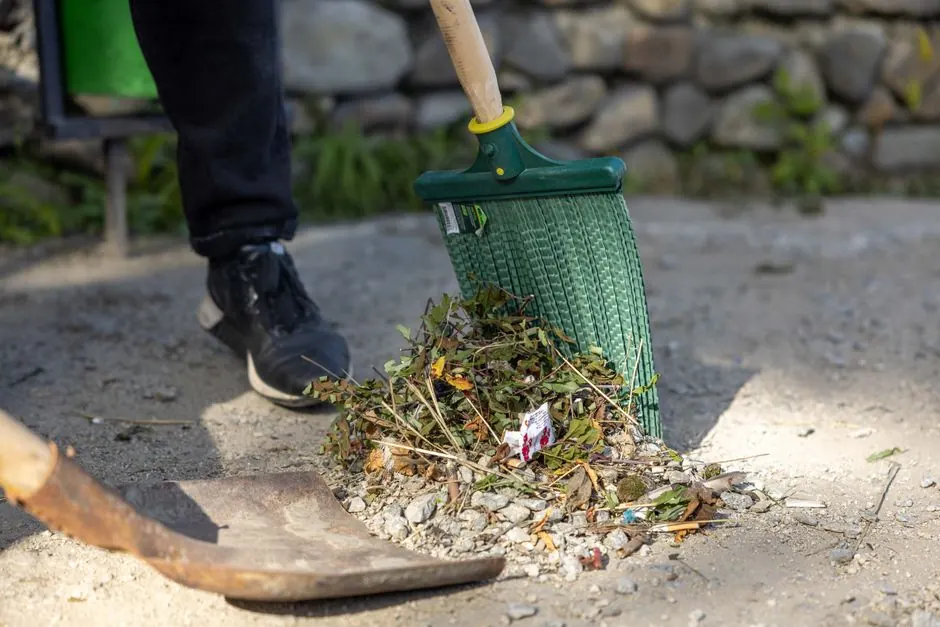
Close-up of a person raking leaves and debris outdoors.
Licensed Licensed & Bonded
Fully Insured Insured & Bonded
24/7 Emergency Same-Day Response
Warranty Backed Workmanship Guaranteed

What Overgrown Yard Cleanup Covers

Overgrown Yard Cleanup covers ground-level cutting, gathering, and removal of agreed weeds, vines, brush, dead plants, leaves, and loose yard debris. We clear routes and accessible beds while protecting plants you identify. Elevated hazardous limbs, stump grinding, extensive tree removal, and regulated pesticide applications require their own appropriate work plan. We explain the difference during the walk-through so you know what the cleanup addresses.

Weed and Vine Cutting

We cut back dense weeds and vines from lawn edges, beds, fences, and walkways using equipment suited to the growth. The crew works in sections to avoid cutting blindly through hidden objects, and we preserve plants you point out before work begins.
Brush and Debris Gathering

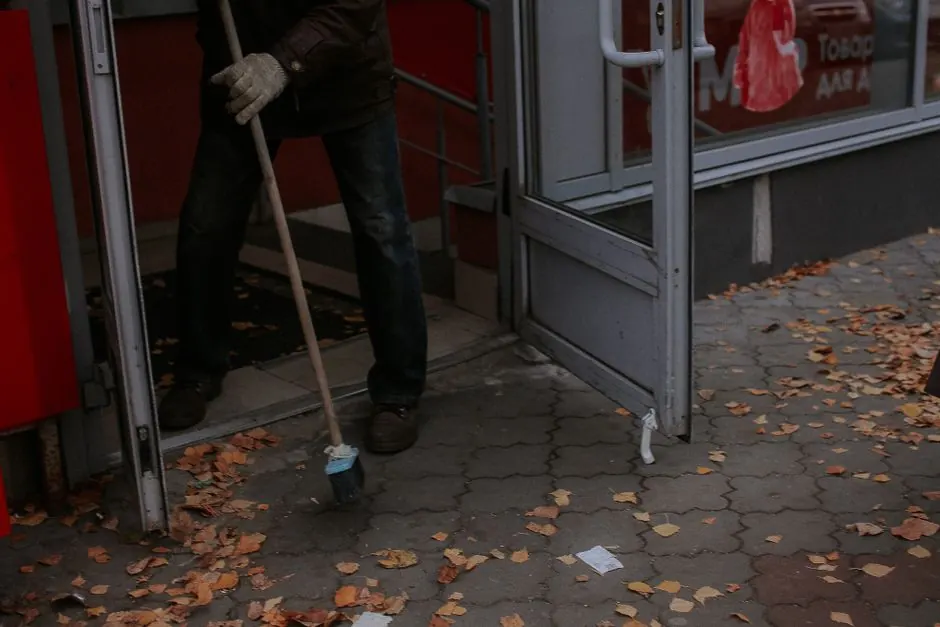
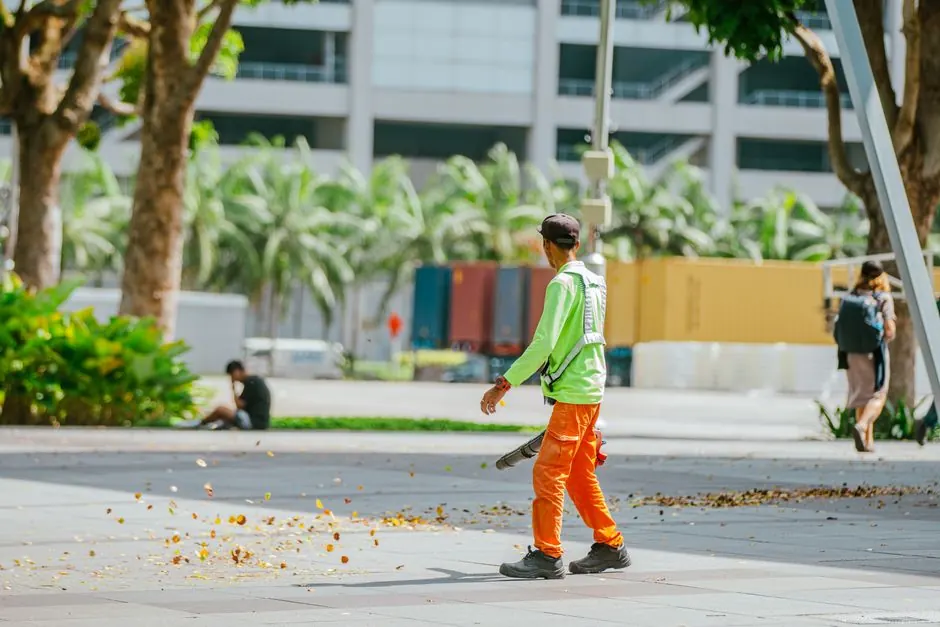
We collect brush, fallen leaves, branches and limbs at ground level, and other loose material created by the cleanup. Debris is staged for loading and handled in line with local yard waste disposal and composting requirements.

Bed and Edge Clearing

We remove dead annual plants, weeds, and loose garden bed debris from accessible planting areas. You can identify plants to keep, and we clear around them carefully. The result exposes bed edges and makes later mulch or planting work easier.

Access Route Restoration

We cut back vegetation that blocks a gate, path, or route to a shed, bin, or lawn area. Clearing a defined corridor restores practical access and helps expose hidden trip hazards without promising tree work beyond the ground-cleanup scope.

Final Surface Check

We review the cleared areas for leftover cuttings, visible branches, and material that needs another pass. A leaf blower or rake helps gather light debris where appropriate, while heavier brush is loaded separately. You can walk the finished work with the crew.

Overgrown Yard Cleanup in Virginia Explained


Overgrown Yard Cleanup in Virginia is a property restoration service that removes excessive weeds, vines, brush, dead plants, and accumulated yard debris when routine mowing no longer restores safe, usable space. We assess growth height, access, disposal volume, and hazards before cutting. A leaf rake and bow rake gather loose material, while a string trimmer and loppers handle dense edges and smaller stems. We separate reusable organic material from debris for proper handling, then clear paths and lawn surfaces so you can see the ground again.

Virginia's humid summers can push vegetation quickly, while fall leaf drop and winter storms add material that hides trip hazards and blocks drains. Shaded turf, brush buildup along fences, and neglected planting beds often need more than a mower pass. Our overgrown garden clearing service Virginia customers call for starts with the parts causing the most trouble: access routes, property edges, and dense beds. If you need a one-time cleanup for an overgrown Virginia property, we remove the growth in manageable sections and restore a clean, maintainable baseline.

What to Expect During Cleanup

Overgrown Yard Cleanup in Virginia follows a clear sequence, from site review to final debris handling. We identify what stays, mark hazards, and work in sections so you can see progress rather than watching a crew cut indiscriminately. Most straightforward residential jobs take several hours; dense or multi-area properties need a longer work window.

01

Schedule

Call or book online — a real human picks up and confirms a 2-hour arrival window.

02

Diagnose

Licensed tech inspects on-site, then walks you through the cause and your options.

03

Fix

The job is completed to code and done right the first time — no shortcuts, no surprises.

04

Guarantee

Every job backed by a written workmanship warranty — and we stand behind it.

Tools and Cleanup Methods

Tools & Equipment

String trimmer

We use a string trimmer for grass and lighter weeds along fence lines, bed edges, and other places a mower cannot reach. The operator checks for hidden objects before cutting.

Loppers

Loppers cut manageable woody stems and small branches cleanly where a trimmer is not suitable. We use them for controlled ground-level work near desirable plants and structures.

Leaf rake

A leaf rake gathers fallen leaves, grass clippings, and light garden debris from turf and beds. It lets the crew remove material without dragging heavy equipment through a cluttered area.

Wheelbarrow

We move gathered brush and bagged debris from the work area to the loading point with a wheelbarrow when access allows. It reduces repeated carrying and helps keep cleared paths orderly.

Husqvarna equipment

Husqvarna equipment supports powered cutting where dense growth and site access call for it. We select the tool for the material and keep cutting within the planned work zone.

Methods & Standards

Section-by-section clearing

We divide dense growth into workable zones and clear one area at a time. This reveals hidden branches, edging, and ground conditions before equipment moves farther into the property. It also gives you visible progress and lets us protect plants marked to remain.

Keep-and-remove identification

Before cutting, you identify plants and objects to preserve, and we mark the areas where growth should be removed. We do not assume an overgrown plant is unwanted. This simple check prevents accidental removal and gives the crew a clear boundary around garden beds and specimen plants.

Separated debris handling

We group branches and woody brush separately from leaves and lighter plant matter so each load can be handled appropriately. The crew uses bags or a tarp for loose material where practical, then follows local yard waste disposal and composting requirements for the address.

Hazard-first access clearing

We open the safest practical route and expose visible hazards before cutting into the densest areas. Branches across walkways, unstable debris, and obstructed gates receive early attention. Elevated or hazardous limbs are referred to applicable tree-work handling rather than cut from ground-cleanup equipment.

When a Full Cleanup Makes Sense

01

A newly purchased home has waist-high weeds, hidden beds, and a side gate buried in vines.

What we do: We start by opening the gate and establishing a safe route, then cut the yard in sections and expose the planting beds. You identify plants to preserve before we remove weeds, vines, and loose debris. We gather material as we work so it does not spread across the cleared lawn.

→ You can access the yard, see its actual layout, and make informed decisions about lawn repair or new planting without working through concealed growth.

02

A rental property has sat vacant through a humid summer and growth now reaches the walkways.

What we do: We clear the routes tenants and maintenance workers need first, then cut back the surrounding weeds and brush. We remove agreed debris and leave the grounds accessible for inspection, mowing, or further property work. The crew notes hazardous limbs that fall outside ordinary ground cleanup.

→ Walkways and gates become usable again, and the property is easier to inspect, maintain, and prepare for its next occupant.

03

A storm has dropped branches across lawn edges already crowded with weeds and leaves.

What we do: We separate downed branches from light debris, open the main access route, and clear the overgrown areas around the affected lawn. Ground-level material is gathered for removal; hazardous limbs overhead are treated as applicable tree work, not routine brush cutting.

→ The lawn and paths are visible again, loose storm debris is removed, and you know which remaining hazards require specialized tree attention.

04

A homeowner needs an outdoor area cleared before listing photos or a property inspection.

What we do: We focus on sightlines, entry routes, bed edges, and the lawn surface that appears in the inspection or photographs. We cut back invasive-looking growth, remove loose debris, and preserve selected plants. A targeted reset prioritizes visible areas without turning the visit into a redesign.

→ The property presents more clearly, buyers or inspectors can reach key areas, and the yard looks maintained rather than abandoned.

How Cleanup Works Across Virginia

Overgrown Yard Cleanup in Virginia changes with the region and the property. Along the coast, humid summers accelerate weeds and vines, while tropical systems and strong wind can scatter branches and yard waste. In northern communities, mature shade trees create heavy leaf accumulation and smothered turf; tighter lots also leave less room to stage debris. Central Virginia properties often combine lawn, ornamental beds, and wooded edges, while western and rural lots can include longer fence lines and greater brush volume. We plan around those differences instead of applying one cutting pattern everywhere. Our weed and overgrowth clearing in Virginia starts with access, growth density, and what you want to preserve. If you need Virginia yard restoration with brush and debris removal, we clear ground-level growth first, gather material as we go, and follow local yard waste disposal and composting requirements. Work near public roads follows Virginia Department of Transportation work-zone requirements when applicable. Regulated pesticide application requires Virginia pesticide applicator certification.

Neighborhoods We Serve

  • Newport News

    Coastal humidity can drive fast weed and vine growth around fences and beds. We open access routes first and account for wind-scattered debris after storms.

  • Centreville

    Mature trees and shaded areas can leave leaf mats over turf and beds. We separate leaves from heavier brush to expose the surface beneath.

  • Midlothian

    Properties with established gardens and wooded edges need careful keep-and-remove identification. We clear dense margins while protecting plants you mark to remain.

  • Hollins

    Sloped ground and brush at lawn edges can make debris gathering slower. We work in sections and choose routes that keep material moving safely.

Local Conditions We Plan For

  • Humid summer growth thickens weeds and vines quickly

    Dense, flexible growth can hide fencing, edging, and small hazards. We cut in controlled passes and expose the ground before moving equipment into the next section.

  • Autumn leaf fall blankets lawns and garden beds

    Wet leaves mat together and conceal branches or uneven surfaces. Raking and staged gathering make the underlying area visible before the crew finishes the cleanup.

  • Storms scatter limbs and yard waste across properties

    Mixed debris needs sorting so light material does not hide heavier branches. We clear ground-level hazards and identify elevated limbs that need applicable arborist work.

A Gate Buried in Brush

Before

A homeowner had a side gate hidden behind vines and waist-high weeds. Branches and dead plants had collected along the fence, leaving no clear route to the rear lawn. Routine mowing stopped at the overgrown edge, and the ground beneath the brush was difficult to inspect.

After

We opened a roughly 3-foot-wide route, cut back the fence-line growth, and gathered the loose branches and weeds. The gate swung freely, the lawn edge became visible, and the owner could move a wheelbarrow through without pushing vegetation aside.

Maintenance: A trim along the cleared route every 4 to 6 weeks during active growth helps keep vines from reclaiming the gate. Removing small regrowth early is easier than waiting for stems to thicken and spread.

Before

A shaded planting area had a deep layer of fallen leaves, weeds, and dead annual plants. The bed edges had disappeared, and the owner could not tell which plants had survived. Loose material also covered the transition from the garden to the walkway.

After

We cleared two planting beds, exposed their edges, and removed the loose leaves and unwanted growth. The walkway became visible from end to end, and the owner could identify surviving plants before adding fresh mulch or planning replacements.

Maintenance: A light bed check once a month during the growing season catches weeds before they seed. In fall, removing leaves from the bed surface in two or three passes prevents a heavy mat from forming.

Before

After strong wind, ground-level limbs and scattered debris were tangled through tall weeds near a lawn. The homeowner could not see the grass edge or reach the area safely, and ordinary mowing risked striking hidden branches.

After

We cleared the ground-level material, cut back the dense weeds, and reopened about 40 feet of lawn edge. The remaining area was visible for inspection, and one elevated limb was identified for separate arborist attention rather than treated as routine debris.

Maintenance: After major wind or rain, inspect the lawn edge and paths before mowing. Remove small fallen branches promptly and schedule a seasonal cleanup if leaves or weeds begin covering the cleared boundary.

Solve Weeds, Vines, and Brush Buildup

Overgrowth often turns ordinary maintenance into a difficult, risky job: turf disappears under weeds, garden beds fill with debris, and fence lines become inaccessible. We clear the material in controlled sections and restore the surfaces you need to use. Our approach prioritizes access and visibility before cosmetic finishing.

Problem

Brush has closed off a gate and fence line

Blocked access makes routine mowing, inspection, and fence maintenance harder, while concealed debris can create trip hazards for anyone entering the area.

Our Fix

We cut back brush along the route and fence in manageable sections, then gather woody material for removal. We open the gate and clear enough room for routine access, taking care around posts and visible utilities. If a limb is elevated or hazardous, we identify it for applicable arborist work instead of treating it as ordinary brush.

Problem

Heavy leaves and weeds have smothered shaded turf

Matted leaves hold moisture and hide lawn edges, while weeds compete with surviving grass and make it difficult to judge what can be restored.

Our Fix

We remove loose leaf accumulation and cut back weeds before reviewing the exposed surface. A rake gathers material without forcing heavy equipment through hidden obstacles. Once the turf is visible, you can decide whether the area needs reseeding, mulch, or a separate lawn-care plan.

Problem

Storm debris is mixed through overgrown planting beds

Branches, dead plants, and wind-scattered yard waste can block paths, hide damaged plants, and leave cleanup unfinished if only the lawn is mowed.

Our Fix

We separate ground-level branches from lighter bed debris, clear the accessible paths, and remove the agreed material. We keep plants you identify and flag damage that needs specialized attention. The bed is left visible for repair, replanting, or mulch rather than buried beneath storm material.

Problem

Grass clippings and vines have accumulated along structures

Excess clippings and climbing growth obscure edges and make it harder to inspect siding, steps, and the base of fences for damage or access problems.

Our Fix

We trim back growth from accessible edges, gather excess clippings, and clear loose debris from the immediate work area. We avoid cutting into structures or removing plants you want preserved. The cleared edge gives you a practical inspection line and makes future maintenance more straightforward.

Clear Space, Safer Access

Clear Space, Safer Access

A neglected yard can hide broken branches, uneven ground, and blocked routes. We focus the work on visible, usable results: accessible walkways, cleared fence lines, and vegetation cut back to a manageable level. You get a practical reset instead of a surface trim that leaves the underlying mess in place.

  • Reclaim Walkways

    We cut back vines and weeds that narrow paths, cover steps, or obstruct gates, then gather the cut material for removal. Clearing even a 3-foot access route can make routine yard use safer and let you reach sheds, bins, and exterior equipment without pushing through growth.

  • Expose Hidden Hazards

    Dense growth can conceal fallen branches, glass, uneven ground, or limbs across a lawn. We work carefully through sections rather than running equipment blindly into cover. That approach makes hazards visible and helps you decide what needs separate tree work or repair after the overgrowth is gone.

  • Reset Garden Beds

    Clogged beds often contain weeds, dead annual plants, pine needles, and compacted garden debris. We remove unwanted growth and loose material while preserving plants you identify as keepers. The cleared bed is easier to mulch, replant, or maintain on a regular schedule.

  • Reduce Cleanup Backlog

    A full reset handles the accumulation that ordinary mowing leaves behind: brush, fallen leaves, grass clippings, and wind-scattered yard waste. Our yard restoration and brush removal Virginia service helps return neglected areas to a condition where ordinary weekly or seasonal maintenance is manageable again.

Safe Work and Standards

Licensed & Certified

  • ISA Certified Arborist credential for applicable tree work — issued by International Society of Arboriculture
  • OSHA safety training for applicable crew tasks — issued by Occupational Safety and Health Administration
  • Virginia pesticide applicator certification when applying regulated pesticides — issued by Virginia Department of Agriculture and Consumer Services
  • Virginia Department of Transportation work-zone requirements when applicable — issued by Virginia Department of Transportation

Verified Reviews

Customer feedback Not stated

A homeowner in Woodbridge needed brush removed before a fence repair. The crew cleared the line, gathered the cut material, and left enough access for the contractor to inspect the posts. The cleanup made the next job possible without spreading debris across the yard.

Customer feedback Not stated

In Sterling, a property owner had leaves and weeds covering a shaded lawn edge. The crew raked out the loose material, cut back the overgrowth, and exposed the bed border. The owner could finally see where the grass ended and the planting area began.

Customer feedback Not stated

A neglected property in Herndon had vines at the gate and branches mixed through the weeds. The crew opened the route first, removed the ground-level debris, and noted an elevated limb for separate attention. The owner appreciated having usable access and a clear view of the remaining work.

Field Knowledge and Safe Work

Overgrown Yard Cleanup in Virginia calls for judgment as much as cutting power. We match tools to the growth, keep people clear of active work, and distinguish ground-level brush from tree work that needs a qualified arborist. OSHA safety training applies to relevant crew tasks, and we use an ISA Certified Arborist credential for applicable tree work. When regulated pesticides are part of an agreed treatment, application requires a Virginia pesticide applicator certification. We do not treat a cleanup as permission to remove protected or unidentified plants.

  • We assess growth height, stem thickness, access, and debris volume before choosing hand tools or powered cutting equipment.
  • For hazardous limbs above ground level, applicable tree work is handled with an ISA Certified Arborist credential.
  • Crew tasks involving equipment and work-zone risks follow relevant OSHA safety training practices.
  • We use Virginia pesticide applicator certification when applying regulated pesticides as part of an applicable service.
  • Disposal follows the local yard waste disposal and composting requirements that apply at the service address.
Get Started Today
Field Knowledge and Safe Work

Cities We Serve Across Virginia

Our statewide coverage brings overgrown garden clearing service Virginia property owners need to coastal neighborhoods, northern suburbs, central communities, and western towns. We route work around the property's access, growth, and debris needs, whether you have a compact yard or a long brush line. These locations are part of a broader Virginia service network, with cleanup plans adjusted for local vegetation, lot layout, and disposal requirements.

Newport News

We clear fast-growing weeds, vines, and storm-scattered debris around Newport News homes, opening gates and paths before gathering material for removal.

Centreville

In Centreville, we address shaded turf, leaf buildup, and overgrown beds in sections, protecting plants you identify while restoring clear lawn edges.

Woodbridge

Our Woodbridge cleanups target brush along fences, blocked side yards, and debris after storms, with a practical route kept open for everyday access.

Sterling

Sterling properties often need a careful reset around lawn edges and mature planting beds. We cut back growth and gather leaves and brush without removing marked plants.

Herndon

We help Herndon homeowners reclaim gates, walkways, and neglected beds by clearing weeds and vines in controlled sections and removing agreed yard debris.

Montclair

In Montclair, we clear overgrown edges and ground-level branches while keeping access routes usable and separating woody brush from lighter yard waste.

Midlothian

Midlothian cleanup plans account for established beds and wooded property edges. We identify plants to preserve, remove unwanted growth, and expose the underlying garden layout.

Hollins

We clear weeds and brush from Hollins yards with attention to slopes, access, and debris carry distance, working in manageable zones for a visible reset.

Wolf Trap

In Wolf Trap, we tackle shaded lawn edges, fallen leaves, and vines around fences, restoring access while keeping desirable planting areas intact.

Huntington

Huntington homeowners can have us open overgrown walkways and side-yard gates, then gather weeds, branches, and loose debris for proper handling.

Manchester

Our Manchester service clears dense growth from lawn margins and planting beds, with section-by-section cutting that exposes hidden debris before final gathering.

Lowes Island

We restore usable outdoor space in Lowes Island by cutting back weeds and brush, clearing storm debris, and keeping the work focused on your priorities.

George Mason

In George Mason, we clear neglected beds, leaf mats, and fence-line growth carefully, preserving plants you point out and reopening access through the yard.

Purcellville

Purcellville properties with larger lawn edges or brush lines receive a cleanup plan based on vegetation volume and carry distance, followed by organized debris removal.

Mantua

We help Mantua residents reclaim shaded yards and overgrown planting beds by removing weeds, leaves, and ground-level branches while protecting selected plants.

Frequently Asked Questions

Real answers to the questions we hear most often from local homeowners and property managers.

What does Overgrown Yard Cleanup in Virginia include?
It includes cutting back excessive weeds, vines, and brush, clearing agreed garden beds and access routes, and gathering yard debris for handling. The crew reviews plants to preserve and hazards before work starts. Tree removal, stump grinding, and regulated pesticide treatment are separate tasks when required. We also follow local yard waste disposal and composting requirements, so the final plan reflects the material and the service location.
How much does overgrown garden clearing cost in Virginia?
A residential cleanup commonly ranges from $180 to $1,500 or more, with typical 2026 pricing depending on size and density. A lightly overgrown small yard costs less than a large lot with woody brush, difficult access, or several loads of debris. We price upfront after reviewing the work area and material volume. Photos can help explain the property, but dense growth and hidden debris still affect the final scope.
Can a cleanup crew remove weeds, vines, and brush from my yard?
Yes, we clear weeds, vines, and brush from a residential yard in Virginia using hand tools or powered equipment selected for the growth. We protect plants you identify as keepers and work in sections to expose hazards before cutting deeper. Thick woody stems, high limbs, and work near utilities require a different safety assessment. We separate routine ground cleanup from applicable arborist work.
How long does it take to restore an overgrown yard in Virginia?
A small, lightly overgrown yard often takes 2 to 4 hours; dense growth or a multi-area lot can take a full day or longer. Time depends on vegetation height, access, debris volume, and whether material must be carried to a distant loading point. We clear in sections, so you see progress while the crew works. A walk-through helps establish a realistic time range for your property.

Related Yard Cleanup Services

Spring Yard Cleanup

Spring cleanup follows winter debris removal and prepares your yard for active growing months. We clear fallen branches, leftover leaves, and dead plants, then address spots where weeds took hold. Pairing it with overgrowth removal gives beds and lawn edges a clean starting point.

View Spring Yard Cleanup

Fall Yard Cleanup

Fall cleanup tackles leaf buildup and loose debris before colder weather. We remove leaves from lawns and beds, gather branches, and clear paths that become slippery when wet. If summer growth has also overtaken the yard, an overgrowth reset can be included in the same seasonal plan.

View Fall Yard Cleanup

One-Time Yard Cleanup

A one-time visit suits a property that needs a full reset without a recurring schedule. We remove the accumulated growth and debris, then leave the yard in a condition you can maintain yourself or hand to a regular lawn-care provider.

View One-Time Yard Cleanup

Leaf Removal

Leaf removal clears heavy accumulation from turf, beds, and walkways before it mats down and smothers grass. We rake or collect leaves according to the surface and access. For a yard with thick weeds or brush as well, we address the overgrowth before finishing the leaf cleanup.

View Leaf Removal

Yard Debris Removal

Yard debris removal focuses on the material left after pruning, storms, or a long period without upkeep. We gather branches, leaves, and loose plant matter and handle them according to local disposal requirements. It is a useful final step after cutting back dense vegetation.

View Yard Debris Removal

Storm Debris Cleanup

Storm debris cleanup removes fallen branches and scattered yard waste after wind or heavy rain. We clear ground-level material and reopen access routes, while hazardous limbs requiring elevated tree work are assessed for applicable arborist service.

View Storm Debris Cleanup

Get Your Overgrown Yard Cleared

Tell us what is buried, blocked, or hard to reach, and we will help plan the cleanup. Our crew handles the cutting, gathering, and debris removal so you can reclaim the space. Call Virginia Yard Cleanup Pros at +15402966598 to get started.

Call Now Request Cleanup

Contact Our Cleanup Crew

Tell Virginia Yard Cleanup Pros what is happening in your yard and which areas matter most. Call +15402966598 to discuss leaf buildup, storm debris, or an overgrown property; our team answers during weekday business hours and responds to messages as soon as the office reopens. Share your community and a brief description, and we will help plan the next step.

Or call us right now at +15402966598 — we answer.

Virginia Yard Cleanup Pros


  • Phone

    +15402966598
  • Address

    Virginia

  • Hours

    Mon–Fri: 7AM – 7PM
    Sat: 8AM – 4PM
    Sun: Emergency Only
    24/7 Emergency Available

Call +15402966598 Get Quote
Call Quote